
Low Ferritin: The Hidden Cause of Fatigue in Active Women
If you’re an active woman — running, cycling, or hitting the gym regularly — and you’ve been feeling unusually tired, struggling to recover, or noticing weird hair shedding, there’s a common culprit you might not have considered: low ferritin.
Even if your haemoglobin is normal, low ferritin can silently sap your energy and performance.
What is Ferritin?
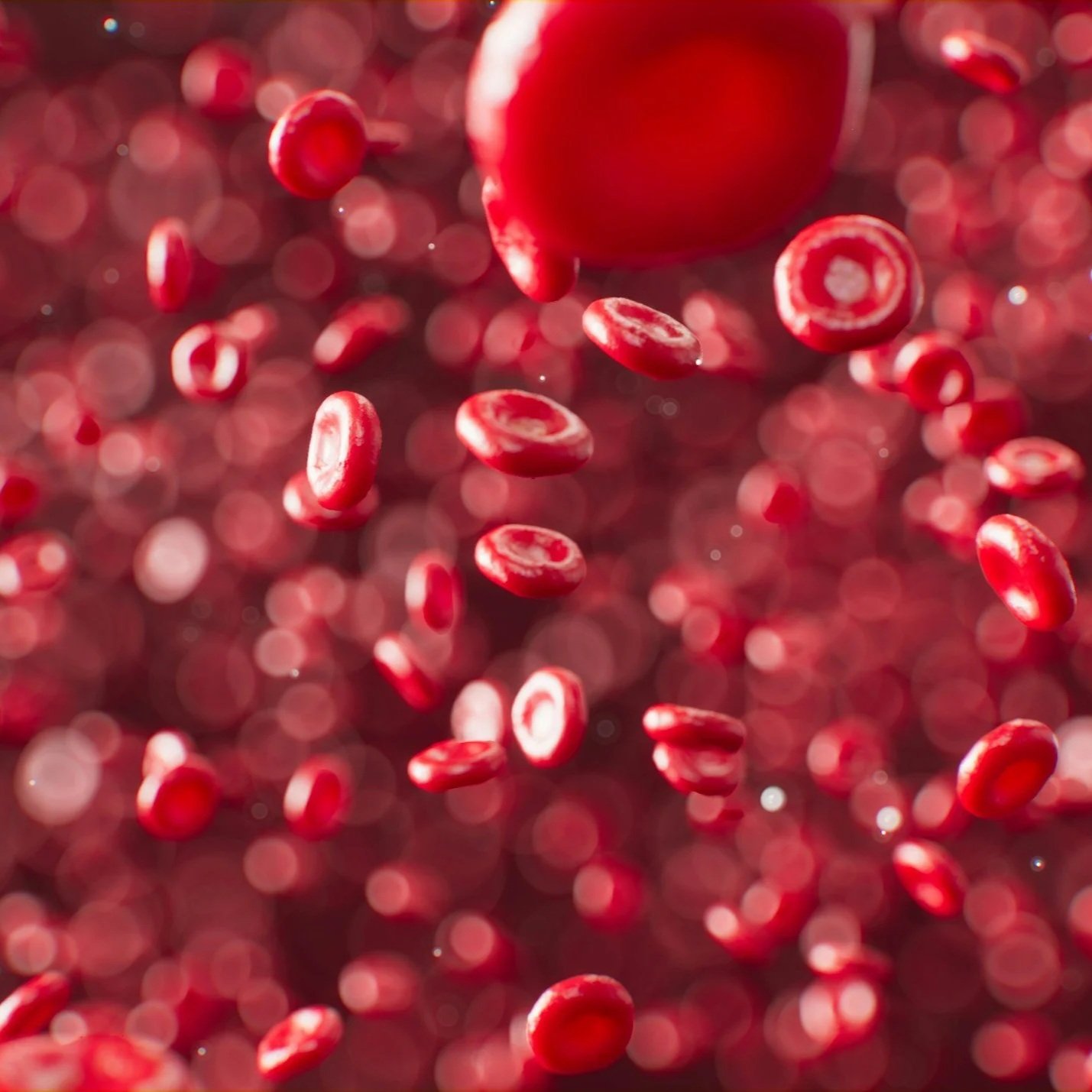
Ferritin is a protein that stores iron in your body. Think of it as your “iron reserve tank.”
Low ferritin = low iron stores
Iron is crucial for making red blood cells and delivering oxygen to muscles
Active people, especially runners, can use up iron faster than they replace it
Why Active Women Are at Risk
Even women who eat well can end up with low ferritin. Common reasons include:
Exercise-related iron loss
Sweat and repetitive impact (like running) can cause tiny losses of iron
Called “foot-strike haemolysis,” it can wear down iron stores over time
Menstrual blood loss
Average women lose iron each month, which adds up
Insufficient absorption
Even iron-rich diets sometimes aren’t enough
Coffee, tea, and calcium can block iron absorption
Symptoms You Might Not Realise Are Iron-Related
Many people only check ferritin once they feel exhausted. Low ferritin can cause:
Fatigue even if haemoglobin is normal
Hair shedding – hair follicles need iron to stay in growth phase
Restless legs – iron is needed for dopamine pathways
Poor exercise performance – legs feel heavy, recovery takes longer
Headaches or migraines – particularly around menstruation
Feeling cold more easily
Even small improvements in ferritin can make a noticeable difference in energy and performance.
How Low Is Too Low?
<15 µg/L: severe iron depletion
15–30 µg/L: low stores
>40–50 µg/L: optimal for active women
The Fastest Ways to Rebuild Ferritin
Targeted iron supplementation
Take elemental iron every second day to improve absorption
Pair with vitamin C
Avoid coffee, tea, dairy, and calcium for 1–2 hours around your dose
Eat iron-rich foods
Red meat, liver, sardines, mussels
Plant sources: lentils, spinach, pumpkin seeds, but these absorb less efficiently
Timing around exercise matters
Avoid taking iron immediately after a hard run
Evening or rest-day dosing can improve absorption
Iron infusions (for severe cases)
If ferritin is extremely low or oral iron isn’t tolerated, doctors sometimes use Ferinject
Can raise ferritin quickly in 1–2 weeks
Takeaway
Low ferritin is surprisingly common in active women, even if you feel otherwise healthy. It can quietly impact your energy, performance, and recovery.
If you suspect your iron stores are low, don’t wait until anaemia develops. A simple blood test can reveal whether ferritin is holding you back, and early action makes a huge difference.
Important: This information is for educational purposes only. Always see your GP or qualified healthcare professional to be tested and receive personalised advice before starting any supplements or treatments.